Day trips
Materuni Waterfall
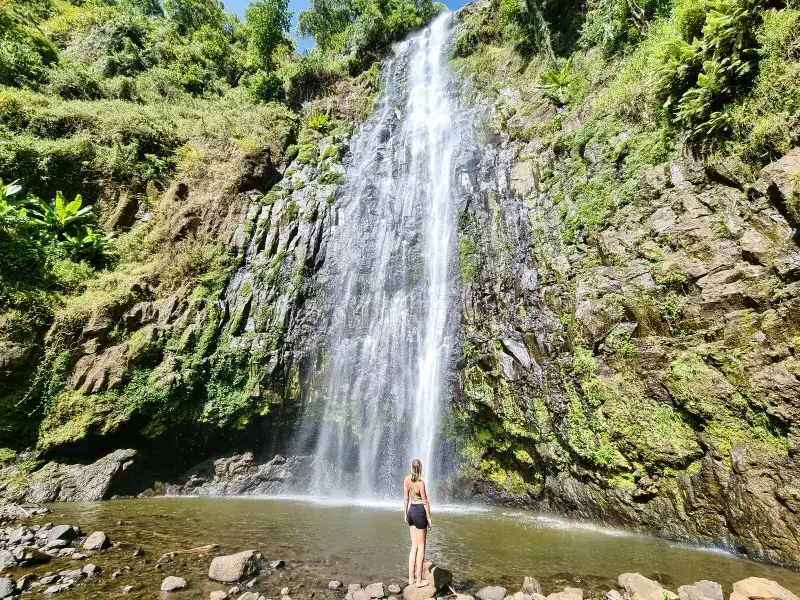
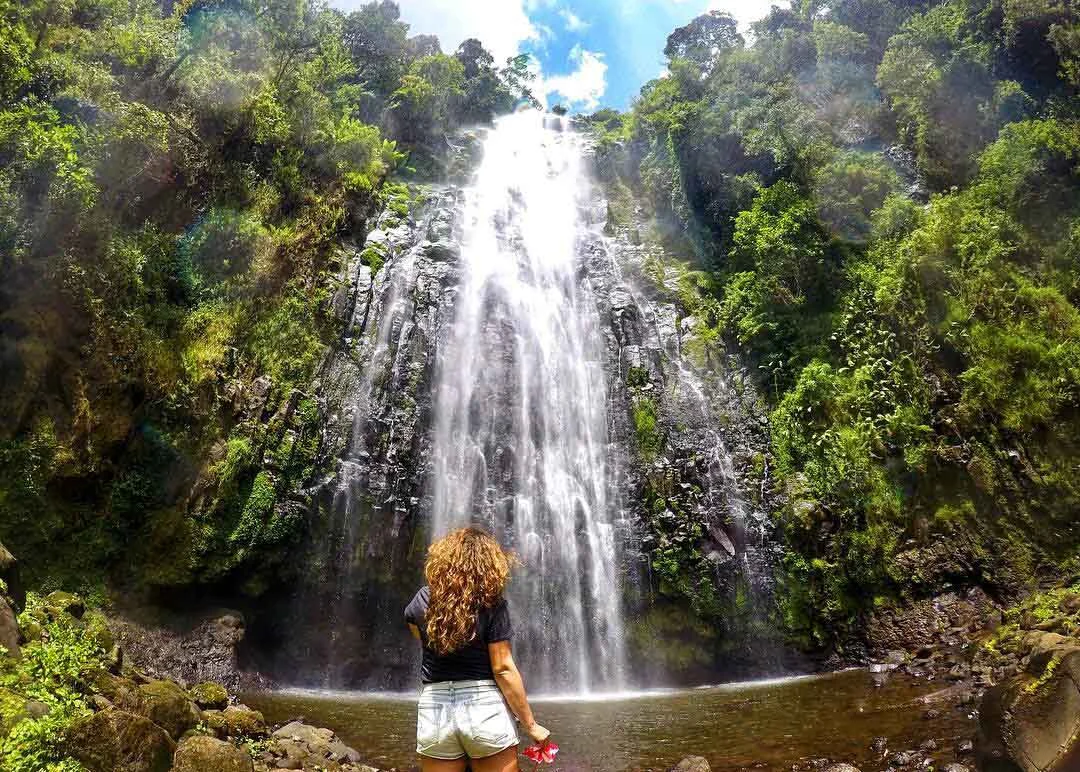
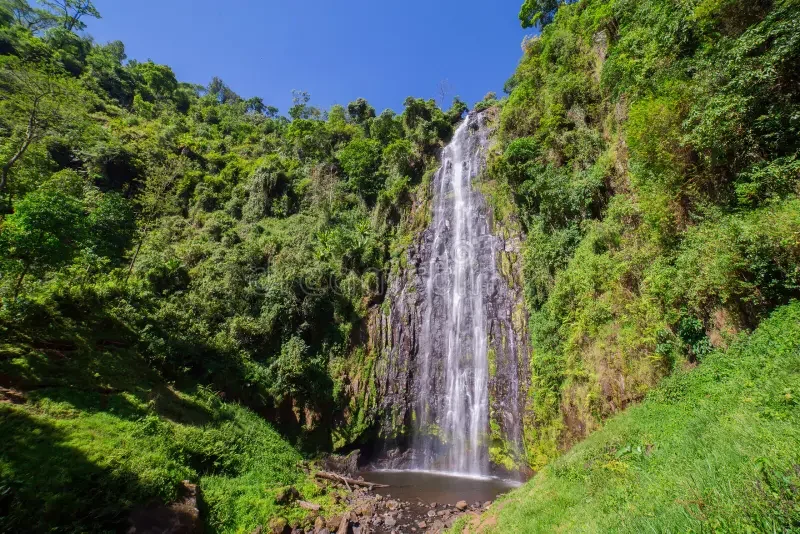
Hidden on the slopes of Mount Kilimanjaro, Materuni Waterfall is one of Tanzania’s most rewarding day trips. Trek through lush coffee farms, pass through a real Chagga village, and arrive at a stunning 80-metre cascade that most tourists never see. It is raw, it is real, and it is worth every step. Alizeti Adventures brings you there the right way.
Activities to do
1. Guided Nature Trek to the Waterfall
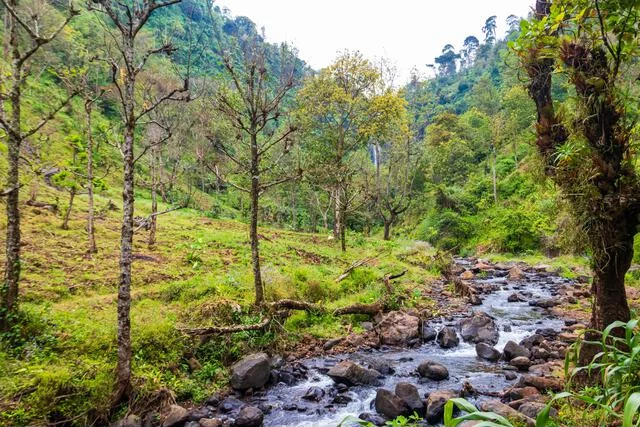
The trail to Materuni winds through the montane forest on Kilimanjaro’s lower slopes, covering roughly 2 to 3 kilometres on foot. Your guide points out indigenous plants, bird species, and the dramatic landscape along the way. The hike takes approximately 45 to 60 minutes one way, with a moderate difficulty level suitable for most fitness levels. Sturdy shoes are recommended.
2. Swimming at the Base of the Waterfall
At 80 metres tall, Materuni is one of the highest waterfalls in Tanzania. The natural pool at its base is clean, cold, and genuinely refreshing. Visitors are welcome to swim, and many describe it as one of the most memorable moments of their Tanzania trip. Bring a swimsuit and a towel.
3. Chagga Village Cultural Walk
The route passes through a traditional Chagga community. This is not a staged cultural performance. It is a real village where people live, farm, and go about their daily lives. Visitors get a rare, unscripted look at how the Chagga people, who are indigenous to the Kilimanjaro region, have built their lives around the mountain for centuries.
4. Farm-to-Cup Coffee Experience
he Kilimanjaro region produces some of the finest Arabica coffee in the world. During the tour, visitors walk through working coffee farms and learn the full journey of coffee, from picking the ripe red cherries by hand, to pulping, fermenting, drying, roasting over an open fire, and finally grinding using traditional methods. The tour ends with a fresh cup brewed on-site. For coffee lovers, this is genuinely one of the best experiences available anywhere in East Africa.
Chemka/Kikuletwa Hot Springs
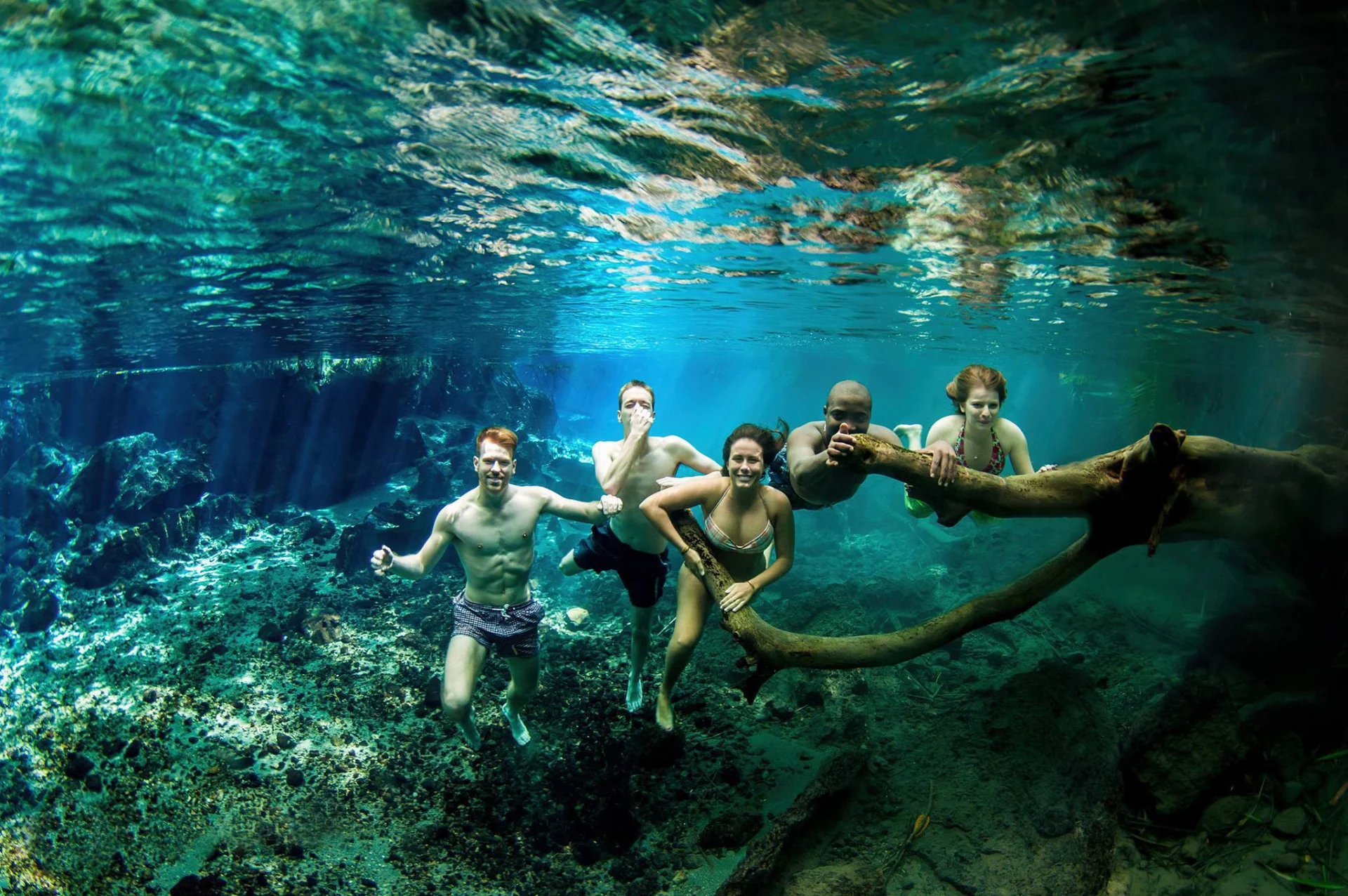
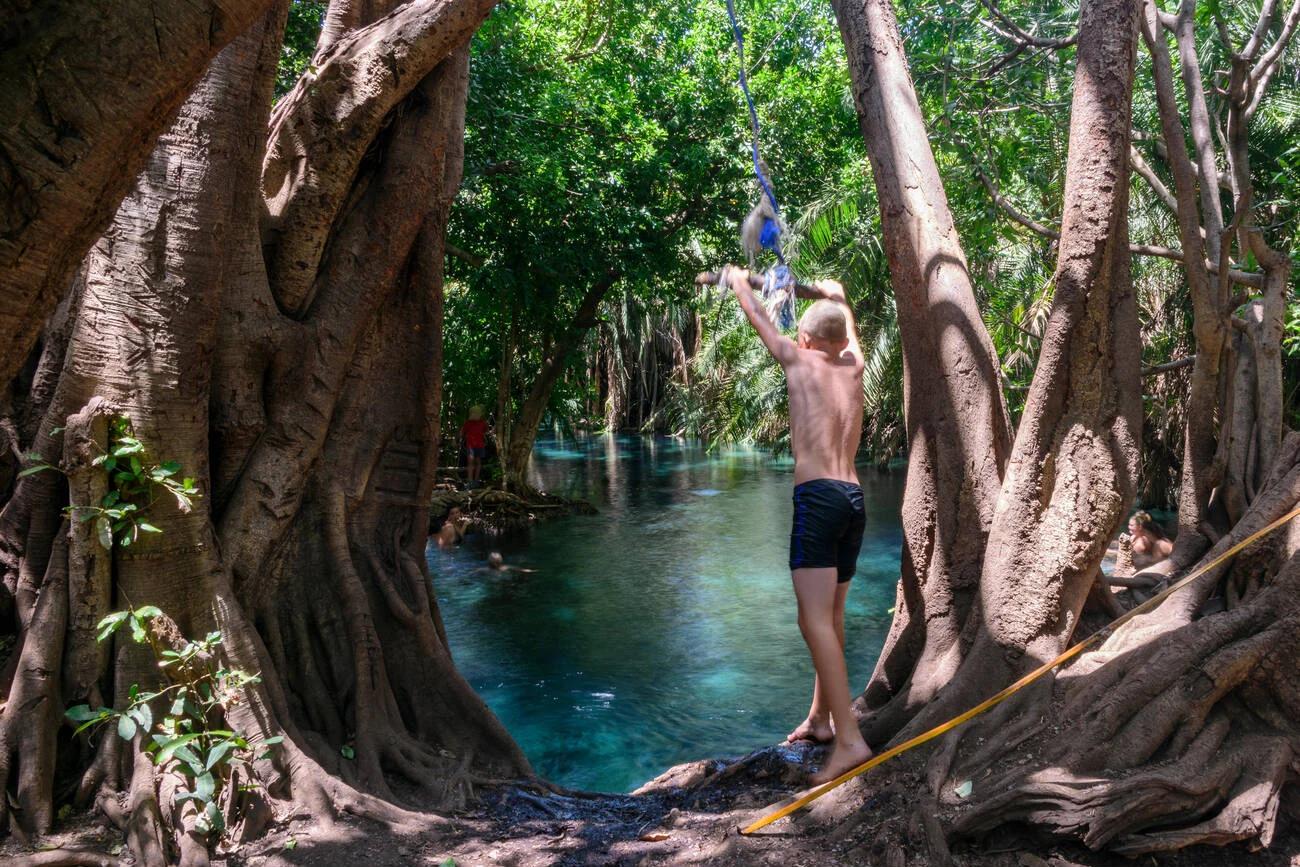
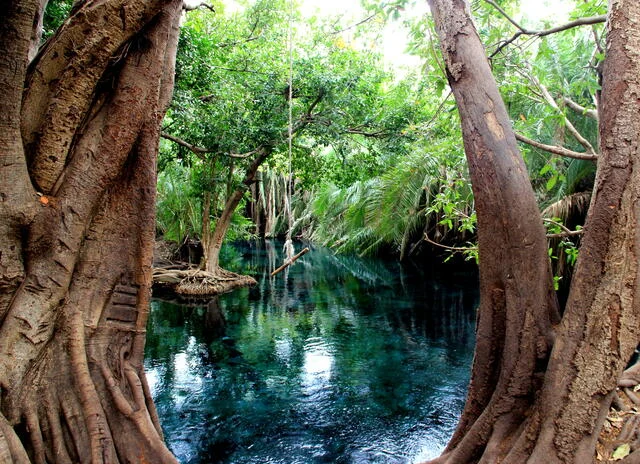
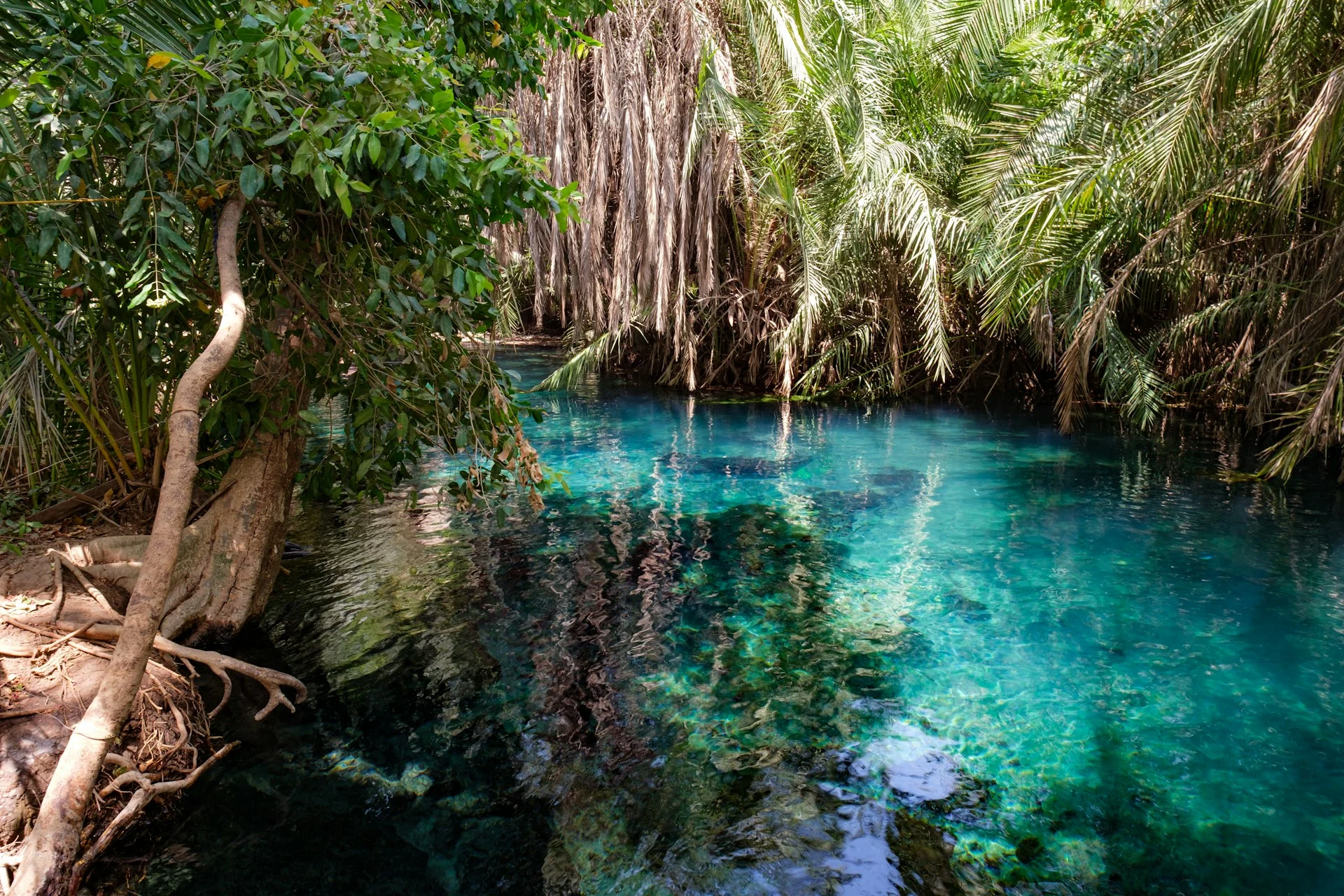
Chemka Hot Springs is one of Tanzania’s best-kept secrets, and one of its most beautiful. Fed by underground springs near Mount Kilimanjaro, the crystal-clear turquoise water stays warm year-round in a setting surrounded by tall palm trees and fig trees.
You can swim, float, and completely unwind. It feels more like a scene from a dream than a real place. Yet here it is, waiting for you.
Activities to do
1. Swimming in the Natural Spring Pools
The water at Chemka is geothermally heated and stays at a comfortable temperature throughout the year, typically between 28 and 32 degrees Celsius. The pools are naturally filtered, and the visibility underwater is exceptional. You can swim freely in a peaceful, uncrowded environment that feels nothing like a commercial resort or tourist pool.
2. Snorkelling
The water clarity at Chemka is remarkable. Bringing or renting a basic snorkel mask lets you explore the underwater world of the spring, including the natural rock formations, plant life, and small fish that live in the pools. It is a simple but surprisingly rewarding activity in a freshwater setting.
3. Birdwatching
The vegetation around Chemka attracts a variety of bird species. For travelers who enjoy birdwatching, even casually, the area offers good sightings without any special effort. A knowledgeable local guide like Andoh can point out species that most visitors would simply walk past.
mOUNT kILIMANJARO
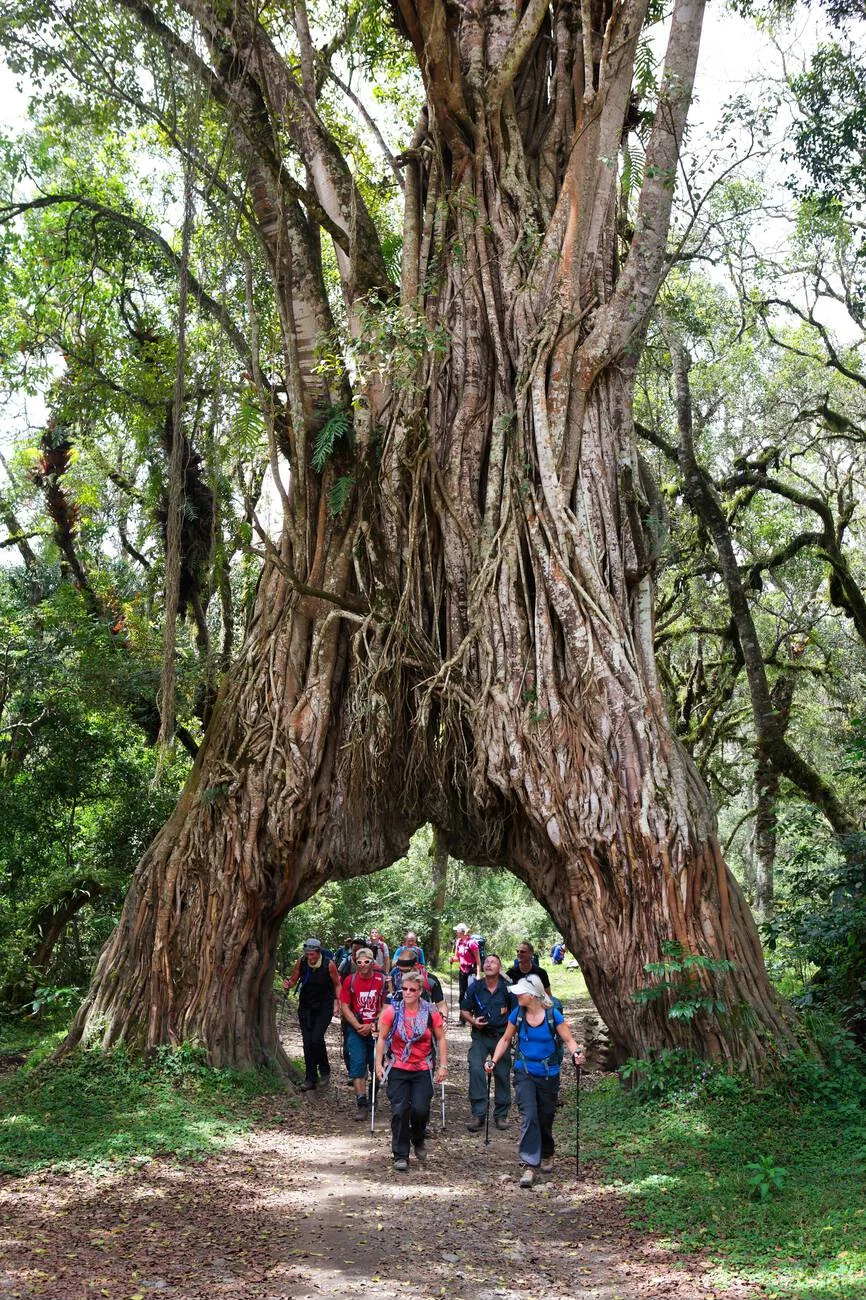
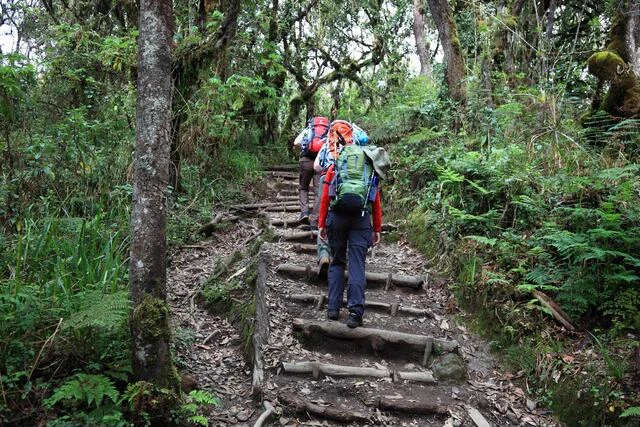
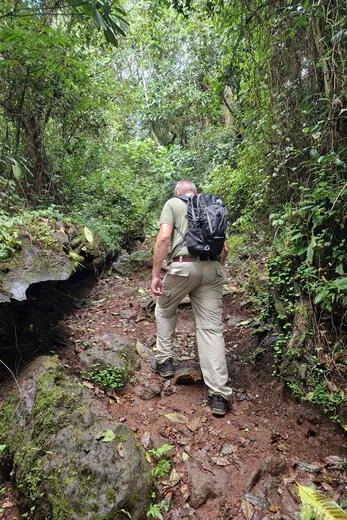
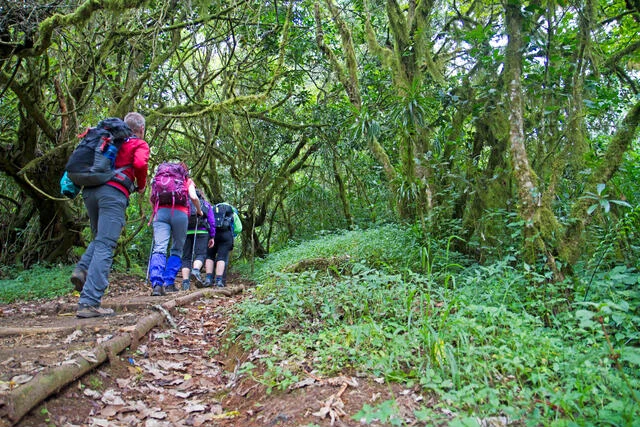
You do not need two weeks or a summit permit to experience the magic of Kilimanjaro. A day trek takes you deep into the mountain’s ancient rainforest zone, past giant ferns, towering trees, and wildlife that most people never see. The air is fresh, the trails are alive, and the mountain reveals itself slowly, generously. This is Kilimanjaro without the crowds, the cold, or the compromise.
Activities to do
1. Guided Rainforest Trek
The lower slopes of Kilimanjaro are covered by a dense montane rainforest that is rich in biodiversity and largely overlooked by climbers focused on the summit. A guided day trek takes you through this living ecosystem along established park trails.
Your guide explains the forest layers, the plant species unique to this altitude zone, and the ecological role the mountain plays as a water source for the entire region. This is genuine wilderness walking, not a tourist stroll.
2. Birdwatching & Wildlife Spotting
Kilimanjaro’s forest zone is home to numerous bird species, including the Hartlaub’s turaco, silvery-cheeked hornbill, and various sunbird species. For birdwatchers, the combination of altitude variation and forest density creates exceptional conditions.
The rainforest zone of Kilimanjaro supports a documented range of wildlife including blue monkeys, white-colobus monkeys, bushbuck, and a wide variety of forest birds. Unlike safari parks where animals are often viewed from vehicles, here you encounter wildlife on foot, in their natural habitat, at close range. The experience is quieter, more personal.
3. Nature Photography
The Kilimanjaro rainforest offers outstanding photographic conditions, with dramatic light filtering through the canopy, moss-covered trees, wildlife, and occasional views upward toward the higher zones of the mountain.
Because day trekkers are far fewer in number than summit climbers, you have the trails largely to yourself, which means unhurried, uninterrupted time to photograph the mountain at its most intimate.
4. Vegetation Zone Exploration
One of the genuinely unique aspects of a Kilimanjaro day trek is witnessing the transition between vegetation zones as you gain altitude. Within a single day, you can move from cultivated farmland at the base through dense rainforest into the heather and moorland zone, where the landscape changes dramatically. Understanding why these zones exist and what lives in each one adds a layer of intellectual interest that surprises many visitors.
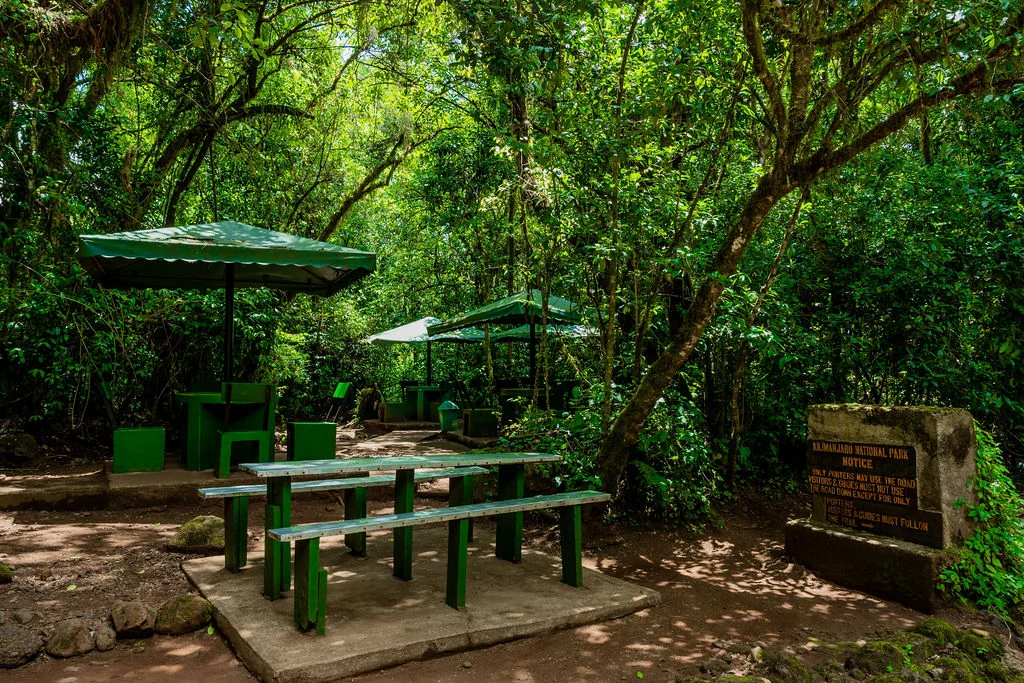
5. Gate and Park Orientation
For travelers considering a full multi-day Kilimanjaro climb in the future, a day trek serves as an invaluable orientation. You experience the park entry process, understand what the lower mountain feels like physically, and can have an open conversation with your guide about what a longer climb genuinely involves. Alizeti Adventures uses this time intentionally, helping guests make informed decisions rather than rushed ones.
arusha-nationalpark
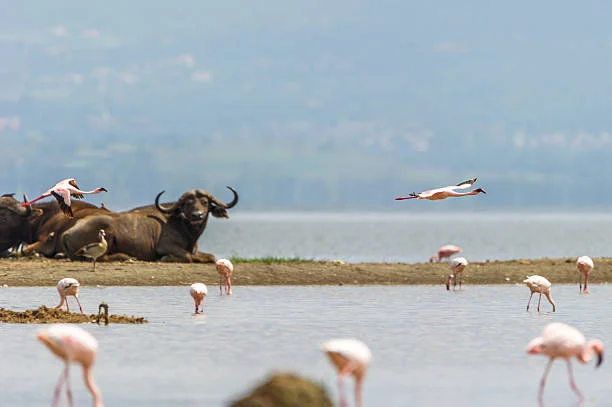
Arusha National Park is Tanzania’s most underrated park, full stop. Within a single day, you move through montane forest, open savannah, and crater lakes, encountering giraffes, zebras, buffaloes, and flamingos without the long drives or the crowds of more famous parks. Mount Meru watches over everything. It is compact, diverse, and quietly magnificent. For travelers short on time, this park delivers more per hour than almost anywhere else in East Africa.
Activities to do
1. Game Drive Through Diverse Habitats
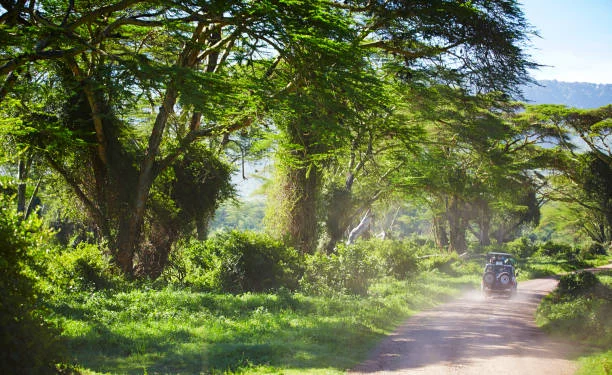
nlike the vast open plains of the Serengeti, Arusha National Park packs an extraordinary range of ecosystems into a relatively small area of approximately 552 square kilometres. A game drive here takes you through montane forest, open grassland, and the Momela Lakes area within a single day. Wildlife commonly sighted includes giraffes, zebras, Cape buffaloes, warthogs, olive baboons, blue monkeys, and various antelope species. The variety of scenery and wildlife within such a short distance is genuinely remarkable.
2. Walking Safari
Arusha National Park is one of the very few national parks in Tanzania where guided walking safaris are legally permitted. This is a rare and significant distinction. Walking through the bush on foot, accompanied by a certified armed ranger, changes the entire experience of wildlife viewing. You notice tracks, sounds, smells, and details that are completely invisible from inside a vehicle. For many travelers, a walking safari in Arusha is the most visceral and memorable wildlife experience of their entire East Africa trip.
3. Canoeing on the Momela Lakes
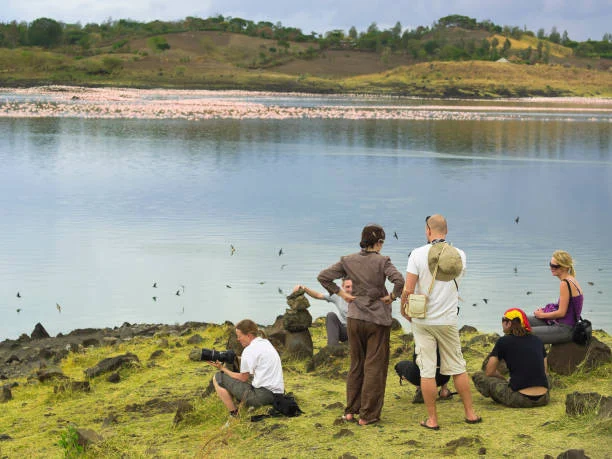
The Momela Lakes are a series of shallow alkaline lakes within the park, each with a slightly different mineral composition, which gives them subtly different colours. Canoeing on these lakes offers an entirely different perspective on the park and its wildlife. Large concentrations of flamingos, hippos, and waterbirds are regularly sighted from the water. This activity is not available in most other Tanzanian national parks and is one of Arusha’s most distinctive offerings.
4. Flamingo & Waterbird Viewing
The Momela Lakes support documented populations of both lesser and greater flamingos, along with pelicans, herons, cormorants, and numerous migratory species depending on the season. The combination of alkaline water chemistry and shallow depth creates ideal feeding conditions for these birds. For wildlife photographers and birdwatchers, the Momela Lakes section of the park alone justifies the entire visit.
5. Ngurdoto Crater Viewpoints
The Ngurdoto Crater, sometimes called the Little Ngorongoro, is a collapsed volcanic caldera within the park. Access into the crater floor is prohibited in order to protect the undisturbed ecosystem inside, but the rim viewpoints offer dramatic elevated views across the crater and the wildlife that moves freely within it. Standing at the rim and looking down into a self-contained, untouched ecosystem is a perspective that stays with you.