
trekking expeditions
Mount Kilimanjaro
Mount Kilimanjaro stands at 5,895 meters (19,341 feet), making it Africa’s highest peak and the world’s tallest free-standing mountain. Unlike the Himalayas or Andes, Kilimanjaro rises dramatically from the Tanzanian plains, creating a unique trekking experience that takes you through five distinct climate zones in a matter of days.
What makes Kilimanjaro accessible to everyday adventurers is simple: no ropes, no ice axes, no technical climbing skills required. This is a high-altitude trek, not a mountaineering expedition. However, don’t mistake accessible for easy. The altitude is your real opponent. At the summit, you’re breathing air with 50% less oxygen than at sea level. Your body’s ability to acclimatize, combined with mental determination, determines success more than physical fitness alone.
kilimanjaro trekking routes
Kilimanjaro offers seven established routes, each with distinct characteristics, scenery, difficulty levels, and success rates. Your route choice matters more than your fitness level when it comes to reaching Uhuru Peak.
Machame Route
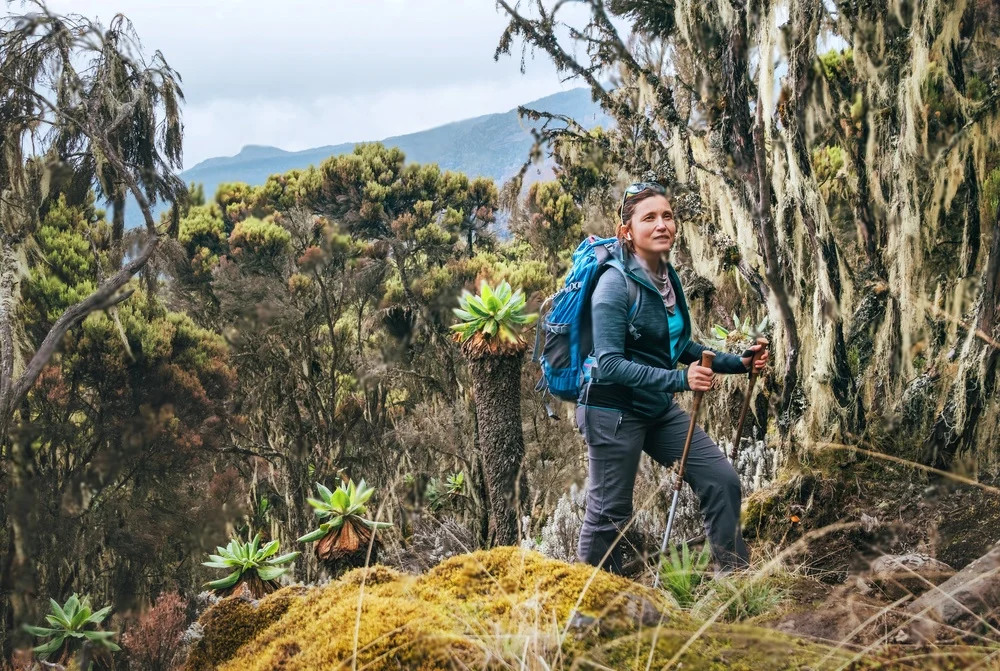
Known as the “Whiskey Route,” Machame is the most popular path for a reason. It’s challenging but scenic, following the “climb high, sleep low” principle that aids acclimatization. The route approaches from the south through lush rainforest, crosses the Shira Plateau, and includes the dramatic Barranco Wall scramble. Roughly 35% of all climbers choose Machame. Summit success rate: 60-70% on 6-day itineraries, 75-85% on 7-day trips.
Lemosho Route
Considered the most scenic route, Lemosho approaches from the west, offering superior acclimatization and lower traffic during the first few days. It merges with Machame on day 3 or 4. The longer itinerary allows your body more time to adjust to altitude, resulting in higher success rates and a more enjoyable experience. This is the route we recommend for first-time high-altitude trekkers. Summit success rate: 85-90%.
Marangu Route
The “Coca-Cola Route” is the only path offering hut accommodation instead of camping. While this sounds comfortable, the rapid ascent profile and shorter duration result in lower success rates. The route ascends and descends the same path, offering less scenic variety. Popular with budget travelers due to lower costs. Summit success rate: 50-65%.
Rongai Route
Approaching from the north near the Kenyan border, Rongai is the driest route and ideal during the rainy season. It’s less crowded and offers a more remote wilderness experience. The trade-off is slower acclimatization compared to Lemosho or Machame since it doesn’t follow the “climb high, sleep low” principle as effectively. Summit success rate: 65-75%.
Northern Circuit
The longest route circumnavigates the mountain, approaching the summit from the north. This extended itinerary provides the best acclimatization and highest success rates. You’ll experience Kilimanjaro’s full range of ecosystems with minimal crowds. The downside is cost and time commitment. Summit success rate: 90-95%.
Umbwe Route
The steepest and most direct route, Umbwe is for experienced high-altitude trekkers only. It offers spectacular scenery but poor acclimatization due to rapid elevation gain. Low traffic means solitude, but also higher risk. Not recommended for first-timers. Summit success rate: 50-60%.
Mweka Route (Descent Only)
Most routes descend via Mweka, a direct path through rainforest on the mountain’s southern side. It’s steep but efficient, typically taking 1-2 days.
Route Selection Advice
Your budget and available time matter, but success depends on acclimatization. A cheaper 5-day Marangu trek with a 50% success rate costs more per successful summit than a 7-day Lemosho with 85% success. Factor in flights, gear, time off work, and the once-in-a-lifetime nature of this climb. An extra acclimatization day is always the best investment.
Kilimanjaro trekking packages
The Experience of Trekking Kilimanjaro with Alizeti Adventures
Choosing a Kilimanjaro operator isn’t just about price. It’s about safety, success rates, ethical treatment of porters, and the difference between an expedition led by guides who care versus those just collecting paychecks.
Guided by Experience That Matters
Your trek is led by Andoh (Alfred Charles), who has summited Kilimanjaro 135 times. This isn’t someone who read about altitude in a manual. This is a guide who started as a mountain porter, learned the mountain from the ground up, and understands that reaching the summit means nothing if you don’t reach it safely.
Andoh knows when to push and when to slow down. He reads altitude sickness symptoms before they become critical. He’s walked every route in every season and knows which campsites offer better acclimatization, which trails become dangerous in certain conditions, and how to adjust plans when weather or health concerns arise.
Small Groups, Personal Attention
We don’t run factory-style climbs with 20+ people herded up the mountain. Group sizes are kept small, allowing guides to monitor each climber’s condition closely and adjust pace as needed. You’re not a number. You’re an individual with specific needs, concerns, and capabilities.
For private treks, you set the pace entirely. Want an extra acclimatization day? Done. Need to adjust the itinerary for photography opportunities? We adapt. This is your mountain experience, not a rigid package.
Transparent, Personalized Pricing
Every climber has different needs. Some want basic camping. Others need gear rental. Some trek solo. Others bring groups. We don’t believe in one-size-fits-all pricing that forces you to pay for services you don’t need or leaves out critical items requiring last-minute additions.
Contact us with your specific requirements: group size, preferred route, dates, gear rental needs, dietary restrictions. We’ll provide a detailed, transparent quote breaking down exactly what’s included: park fees, guide and porter wages, food, camping equipment, transfers, and any additional services. No hidden costs. No surprises.
Porter Welfare Standards
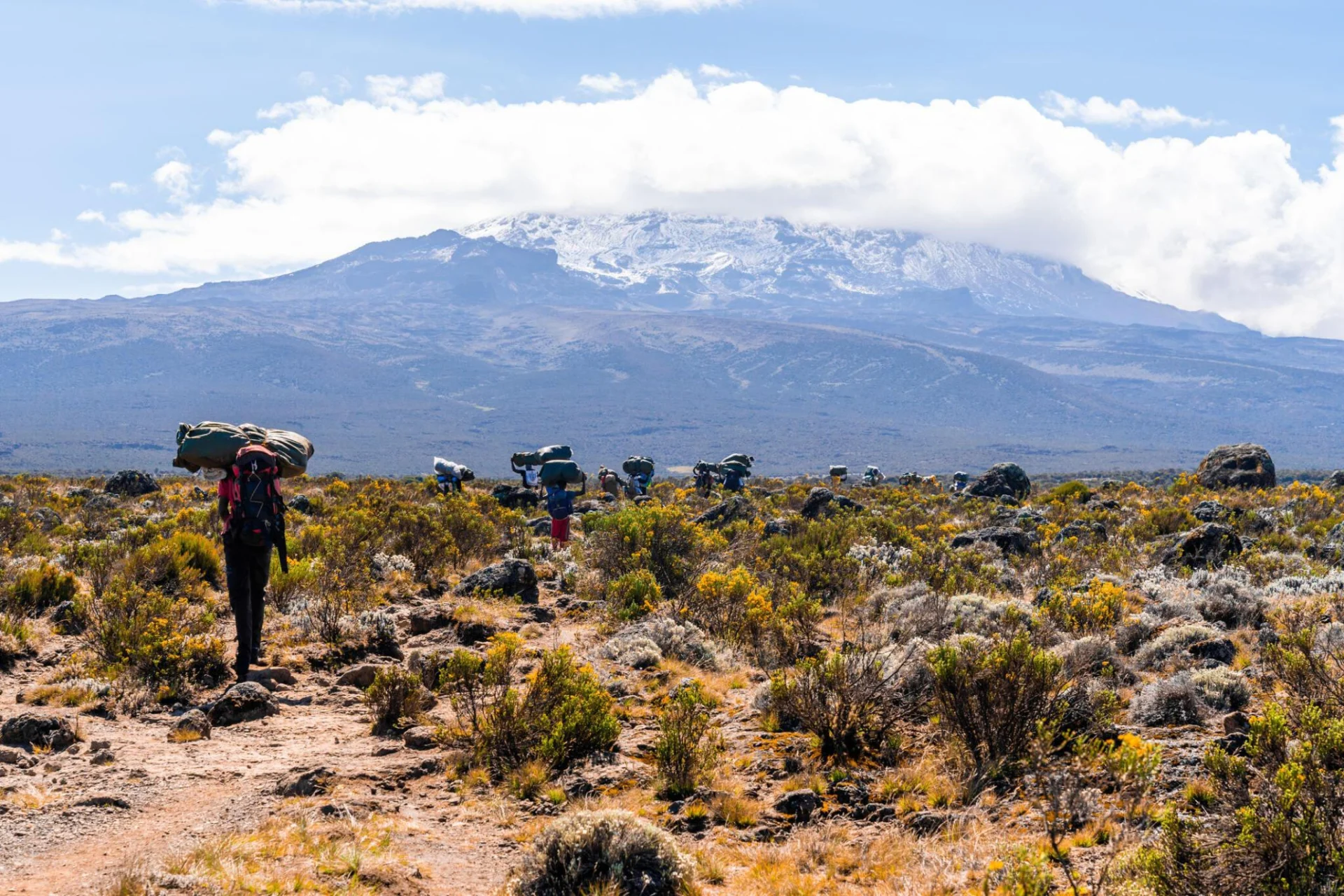
The men and women who carry your gear make your climb possible. We don’t treat them as pack animals. Our porters receive fair wages above industry minimums, proper equipment including warm clothing and footwear, adequate food, and weight limits that comply with Kilimanjaro Porters Assistance Project (KPAP) standards.
This ethical approach costs slightly more than budget operators who exploit porters, but it’s non-negotiable. When you trek with us, you’re supporting local communities and families in rural areas like Lang’ata, where many of our team members come from.
Safety Protocols
Every guide carries a comprehensive first aid kit and is trained in high-altitude medicine and emergency response. While we don’t currently carry satellite communication devices, our guides know emergency evacuation routes from every point on every trail and coordinate with park authorities when needed.
Pulse oximeters monitor your blood oxygen saturation daily. If levels drop dangerously or altitude sickness symptoms progress, descent happens immediately. No summit is worth risking your health or life.
Routes We Recommend
While we operate all seven routes, we steer first-time climbers toward Lemosho (7-8 days) or Machame (7 days) for optimal acclimatization and success rates. If you have limited time or budget, we’ll work with shorter itineraries but will be honest about the trade-offs in success probability.
For experienced trekkers who’ve done high altitude before, we offer Northern Circuit for the ultimate Kilimanjaro experience or Umbwe for those seeking challenge and solitude.
What's Included
All treks include: experienced certified guide, assistant guides (depending on group size), porters, cook, all park fees and permits, camping equipment (tents, sleeping pads, mess tent, toilet tent), three meals daily plus snacks, treated drinking water, airport transfers in Moshi, pre-trek briefing, and post-trek celebration.
What’s typically not included: flights, travel insurance, tips for guide and porter team, personal gear, sleeping bag (available for rent), altitude medication, visa fees, drinks at hotels.
Post-Trek Support
Your relationship with us doesn't end at the park gate. We provide summit certificates, assist with onward travel arrangements, and welcome you back for future Tanzanian adventures, whether that's safari in Serengeti, cultural experiences in local villages, or exploring other peaks.
What we promise
We promise honest assessment of your readiness, expert guidance from someone who knows this mountain better than most, ethical treatment of the team supporting your climb, and a commitment that your safety always comes before summit photos.
What we don't promise
we won't guarantee 100% summit success (anyone who does is lying). We won't claim our climbs are easy (they're not). We won't tell you altitude sickness won't affect you (it might).
let us plan your adventure
Kilimanjaro has been Andoh’s life for years. For you, it’s likely a once-in-a-lifetime journey. We treat it that way. When you’re ready to start planning your climb, contact us with your questions, timeframe, and what you hope to achieve on Africa’s rooftop. Let’s build your Kilimanjaro experience together.