
Tanzania wildlife Safaris
wildlife at it's finest
Tanzania is not just another safari destination. It is the birthplace of the safari concept itself, home to Africa’s most iconic wildlife spectacles, and a country where conservation and authenticity still matter more than mass tourism. When travelers envision Africa, they picture Tanzania: endless plains dotted with acacia trees, lions lounging on kopjes, elephants marching to distant water sources, and millions of wildebeest thundering across savannas in the greatest wildlife migration on Earth.
tanzania safari experience
Tanzania offers safari experiences across the spectrum. Budget camping safaris bring you close to nature without luxury barriers. Mid-range tented camps provide comfort while maintaining authentic bush experiences. Luxury lodges deliver world-class service in settings designed to complement, not dominate, the landscape. All three tiers can access the same extraordinary wildlife.
what sets tanzania safaris apart
Tanzania is a commitment to low-impact tourism. Park regulations limit vehicle numbers in sensitive areas, restrict off-road driving, and enforce strict guidelines that prioritize animal welfare over photo opportunities. This means your safari won’t involve 20 vehicles surrounding a single leopard. It means seeing wildlife behave naturally, not conditioned by decades of tourist harassment.
tanzania wildlife safari packages
Wildlife Safari Highlights
Tanzania is where safari dreams become reality, where the distance between expectation and experience collapses into moments of pure wonder.
The Great Migration
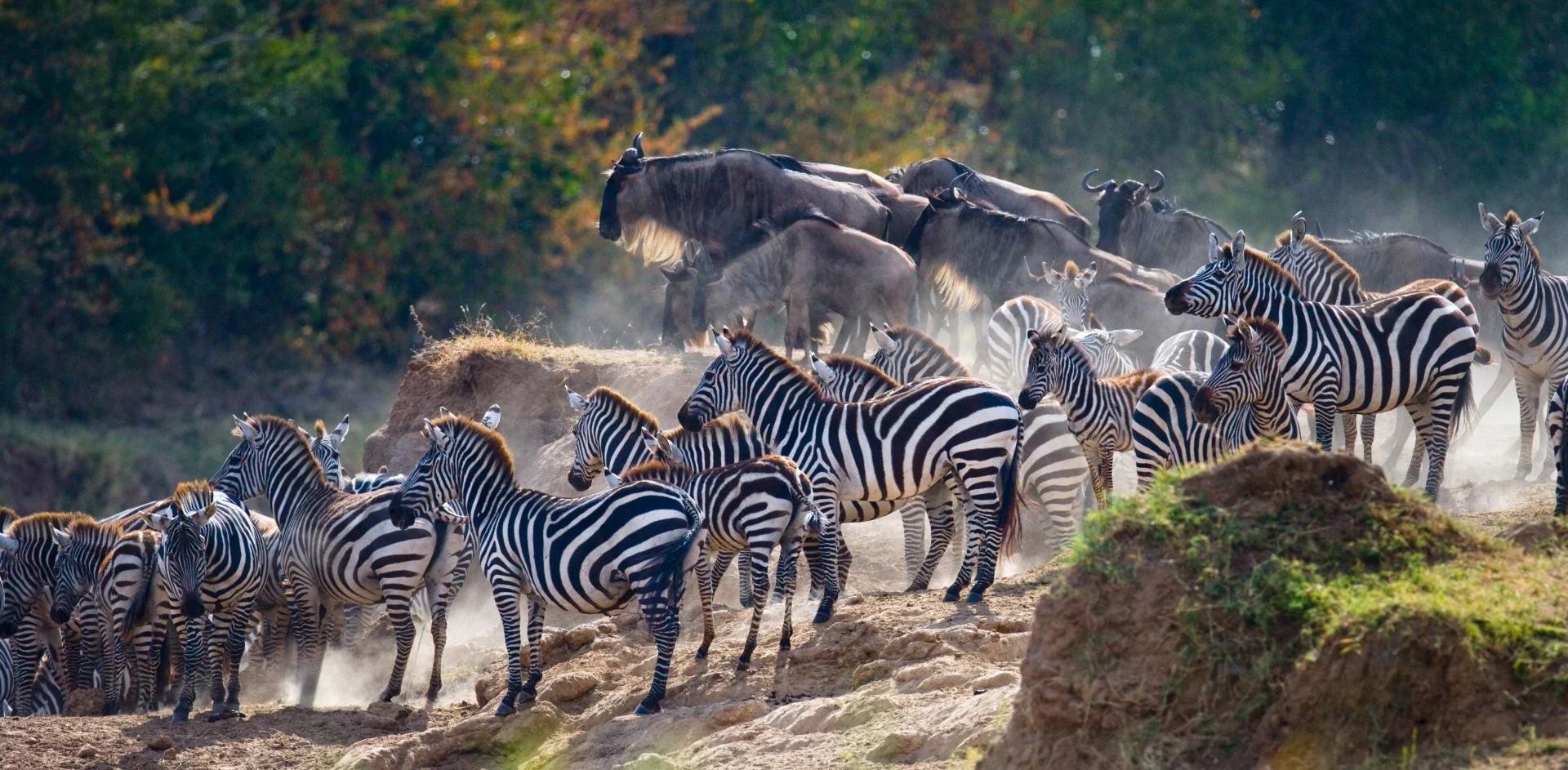
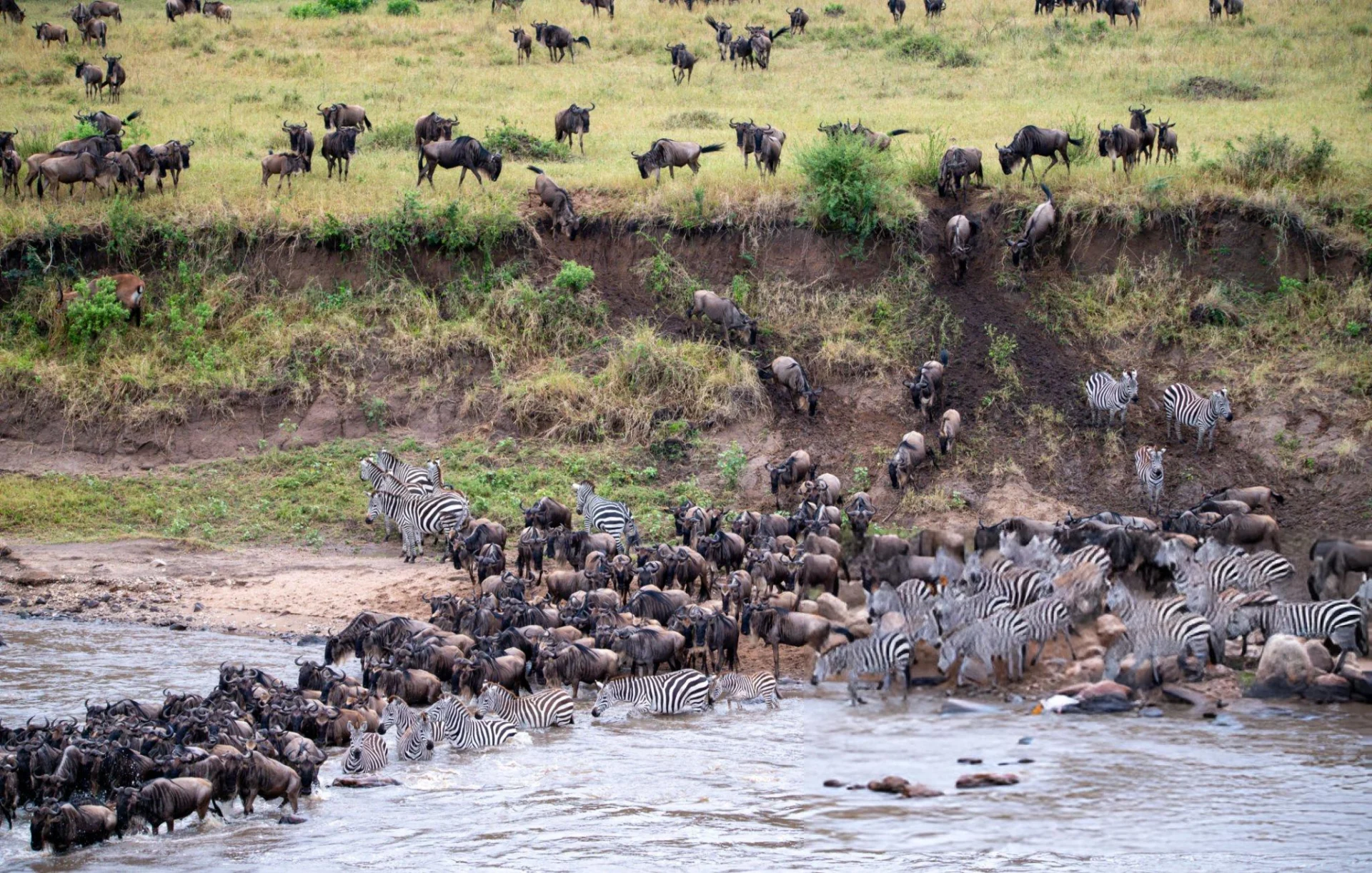
Often called the greatest wildlife show on Earth, moves through Tanzania’s Serengeti for roughly eight months annually. Two million wildebeests plus hundreds of thousands of gazelles and zebras migrate in search of pasture and water, creating one of the most dramatic natural events anywhere. However, Tanzania’s appeal extends far beyond this spectacle. Even outside migration season, the northern circuit parks teem with resident wildlife populations that would be the highlight of any other destination.
The Big 5 Animals
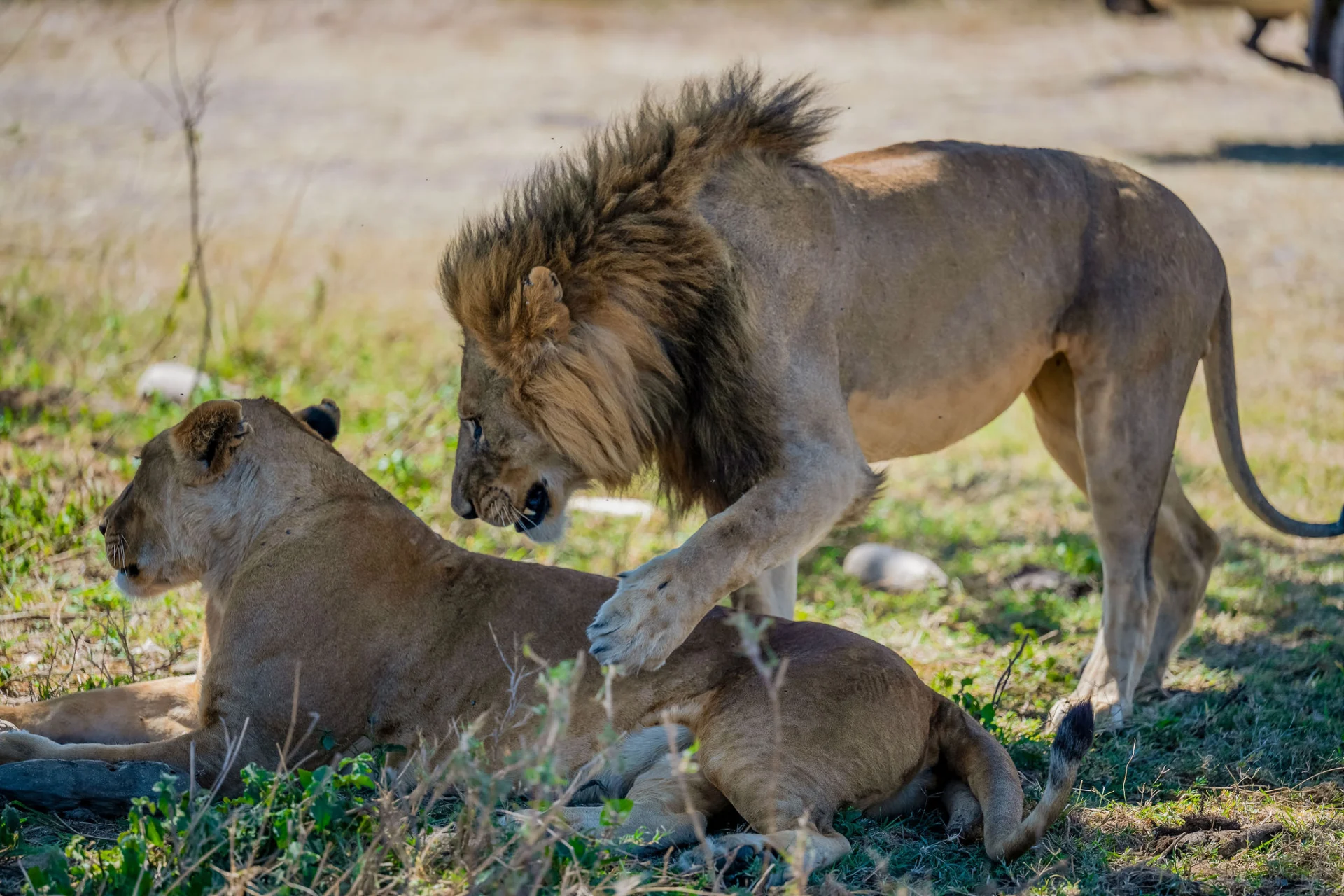
Tanzania is also one of the few remaining countries where you can realistically see the Big Five – lion, leopard, elephant, buffalo, and rhinoceros – in a single safari. Ngorongoro Crater contains over 25,000 large animals including 260 black rhinoceros, making it one of the most reliable locations for rhino sightings. The crater’s population includes 7,000 wildebeests, 4,000 zebras, 3,000 eland and 3,000 Grant’s and Thomson’s gazelles, plus 62 lions representing the densest known lion population.
Cultural Experiences
The best safaris combine wildlife viewing with cultural experiences, visiting Maasai communities who have coexisted with wildlife for centuries, learning traditional practices, and understanding how modern conservation efforts impact local populations. This cultural dimension adds depth that pure game viewing cannot provide.
Photography Opportunities
For photographers, Tanzania offers world-class opportunities. The quality of light, dramatic landscapes, and abundant wildlife create conditions that require skill to capture but reward effort with images that tell stories. For families, safaris provide educational experiences that no classroom can match, teaching children about ecosystems, conservation, and their place in the natural world. For solo travelers, guided safaris offer safety, community, and access to remote areas impossible to navigate independently.
Best Times to Visit
Tanzania’s safari season divides into distinct periods based on rainfall patterns, migration movements, and wildlife behavior. Understanding these seasons helps align your visit with specific interests and expectations.
Dry Season (June-October)
The dry season represents peak safari season for good reason. As water sources outside protected areas dry up, wildlife concentrates around permanent rivers and waterholes within parks, creating predictable viewing opportunities.
June-July: The transition period
The transition into dry season sees migration herds moving from Tanzania’s central Serengeti toward the north. Tarangire begins experiencing massive elephant concentrations as animals migrate into the park. Weather is pleasant with warm days and cool nights. This is high season with corresponding pricing.
August-September: Peak safari season
The Great Migration reaches the northern Serengeti and Maasai Mara, with dramatic river crossings as hundreds of thousands of wildebeest and zebras brave crocodile-infested waters. Wildlife viewing throughout the northern circuit is exceptional, with animals concentrated around diminishing water sources. Expect premium prices and advance booking requirements for popular lodges.
October: End of the dry season
The final dry season month before short rains begin. Wildlife viewing remains excellent, particularly in Tarangire where elephant herds peak. Late October sees the first migration movements back south toward Serengeti’s short-grass plains. Prices begin dropping slightly as high season ends.
Advantages: Predictable wildlife viewing, easier animal spotting due to thinned vegetation, minimal mosquitoes, pleasant weather, good road conditions.
Disadvantages: Higher prices, more tourists (particularly in Serengeti and Ngorongoro), dust on game drives, less dramatic scenery compared to green season.
Green Season (November-May)
The rainy season transforms Tanzania's parks with lush vegetation, dramatic skies, newborn animals, and migrant bird arrivals. It divides into short rains (November-December) and long rains (March-May).
November-December: Short Rains
The short rains typically consist of afternoon thunderstorms rather than all-day downpours. Migration herds move back to Serengeti’s southern plains as fresh grass emerges. Wildlife remains accessible and abundant. Prices drop significantly. This is an excellent value period offering good weather and wildlife with fewer tourists.
January-February: Calving season
Peak calving season in southern Serengeti. Over 8,000 wildebeest calves are born daily during this period, attracting predators in extraordinary numbers. This creates some of the most dramatic predator-prey interactions of the year. Weather is generally dry with occasional showers. This is a favorite period for photographers and wildlife enthusiasts.
March-May: Long Rains
The wettest period, particularly April. Some lodges close for renovations. Roads can become challenging, especially in Serengeti. However, this is the most underrated safari season. Parks are virtually empty, prices hit annual lows, and the landscape is stunningly beautiful. Wildlife viewing remains good despite taller grass. Migrant birds arrive in huge numbers, creating exceptional birding opportunities. This period suits experienced safari-goers and budget travelers willing to accept occasional weather inconveniences for authentic, uncrowded experiences.
Advantages: Lower prices (often 30-50% less than high season), fewer tourists, lush scenery, excellent photography light, newborn animals, migrant birds.
Disadvantages: Potential rain disruptions, some lodges closed, taller grass can obscure smaller animals, roads may be challenging, mosquitoes more prevalent.
what we promise
- Honest assessment of what's realistic for your timeline and expectations.
- Guides who genuinely know Tanzania's wildlife and ecosystems, not script-readers.
- Vehicles maintained to high standards ensuring your time goes to wildlife viewing
- Flexibility to adjust itineraries when conditions or your interests change
what dont promise
- We won't guarantee Big Five sightings (anyone who does is lying).
- We won't promise perfect weather (nature doesn't follow schedules).
- We won't claim our safaris are cheap (quality guides, vehicles, and ethical practices cost money).
- We won't say every moment will be comfortable (safari involves early mornings, long drives, and rustic conditions even in luxury camps).
Ready to plan your adventure?
Contact us with your questions, interests, timeframe, and budget. We’ll build an itinerary that matches your vision of African adventure